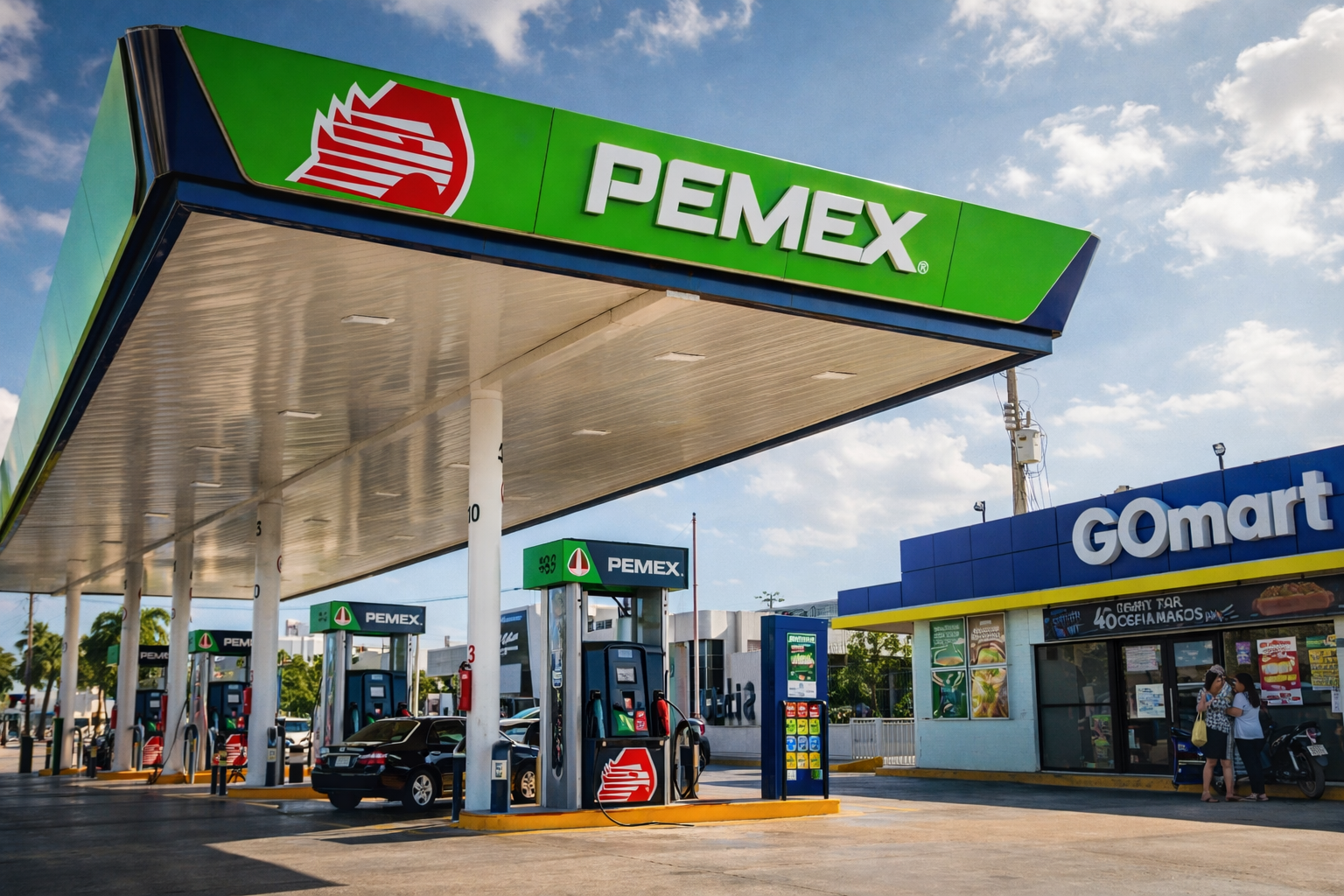
Gas prices are climbing across the globe — fast.
From the United States to Europe, drivers are feeling the squeeze as oil markets react to rising tensions in the Middle East. Prices have surged, headlines are heating up, and uncertainty is back at the pump.
But in Mexico, something very different is happening.
While much of the world is paying more for fuel, Mexico is actively working to keep prices steady — and, for now, it’s succeeding.
A Different Approach in a Volatile Market
As of March 2026, global oil prices have jumped significantly. At one point this week, Brent crude — the international benchmark, pushed past $100 per barrel after fears of supply disruptions intensified.
The reason? Ongoing conflict in the Middle East and instability around key shipping routes like the Strait of Hormuz, where a large portion of the world’s oil supply moves daily.
Normally, this kind of spike would translate directly into higher gas prices everywhere.
But Mexico isn’t following the script.
Mexico’s Price Cap Strategy
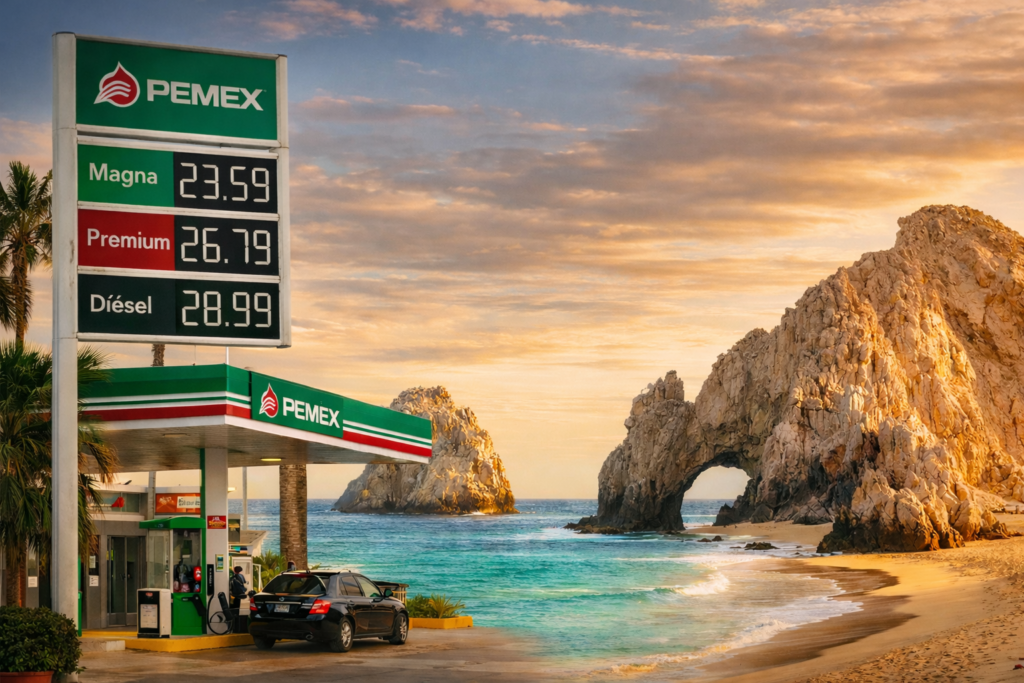
Instead of letting prices rise with the global market, Mexico has extended a nationwide agreement to keep regular gasoline under 24 pesos per liter.
That’s roughly:
-
About $1.30 USD per liter
-
Or just over $5 per gallon
The agreement includes the majority of gas stations across the country and is expected to remain in place for at least the next six months.
It’s not a strict mandate; it’s a coordinated effort between the government and private fuel companies to stabilize pricing during a turbulent time.
How Is Mexico Pulling This Off?
There are a few key reasons Mexico can do this:
1. Domestic Fuel Supply
Mexico still produces and refines a significant portion of its own fuel through Pemex, helping reduce reliance on international markets.
2. Tax Flexibility
The government can adjust or temporarily reduce fuel taxes (known as IEPS) to offset global price increases.
3. Industry Cooperation
More than 20 major fuel companies have agreed to participate, covering the vast majority of stations nationwide.
Together, these factors allow Mexico to cushion consumers from global volatility, at least in the short term.
What This Means for Los Cabos
For a destination like Los Cabos, this matters more than you might think.
Travel Stays More Predictable
Stable fuel prices help keep:
-
Rental car costs in check
-
Transportation services consistent
-
Tour pricing competitive
That’s a big deal for a region that relies heavily on tourism.
Businesses Avoid Sudden Cost Spikes
From luxury resorts to property managers and service providers, fuel is built into daily operations.
Keeping prices stable helps businesses:
-
Maintain pricing
-
Avoid sudden surcharges
-
Plan ahead with confidence
Real Estate Momentum Continues
Los Cabos is still attracting high-end buyers and investors in 2026. Controlled fuel costs support:
-
Construction logistics
-
Property management operations
-
Overall cost predictability
It’s one of those behind-the-scenes factors that quietly keeps the market moving.
Will It Last?
That’s the big question.
If global oil prices continue to rise, especially if supply disruptions worsen; Mexico may need to lean more heavily on tax adjustments or expand similar controls to other fuels like diesel.
For now, though, the strategy is clear:
Keep fuel affordable, protect consumers, and maintain stability.
Great News for Us
While much of the world braces for higher prices at the pump, Mexico is taking a different path — one focused on control, coordination, and short-term stability.
And for places like Los Cabos, that stability could make a noticeable difference in everything from travel costs to real estate growth.
In a time of global uncertainty, that’s something wort