LOS CABOS, Baja California Sur — Mexico’s new minimum wage officially began on January 15, and now, as of February 23, residents across Baja California Sur are starting to notice what it really means.
In the General Minimum Wage Zone — which includes Baja California Sur — the daily wage increased from 278.80 pesos to 315.04 pesos. For minimum-wage earners, the change is already reflected in recent biweekly paychecks.
But the bigger question locals are asking is: Is it actually helping?
Over the past few weeks, Facebook community groups in La Paz and Los Cabos have been buzzing with debate. Some residents say the increase was necessary in one of Mexico’s most expensive and geographically isolated states. Others argue that rising fuel prices, grocery costs, and new taxes are eating away at the extra income just as quickly.
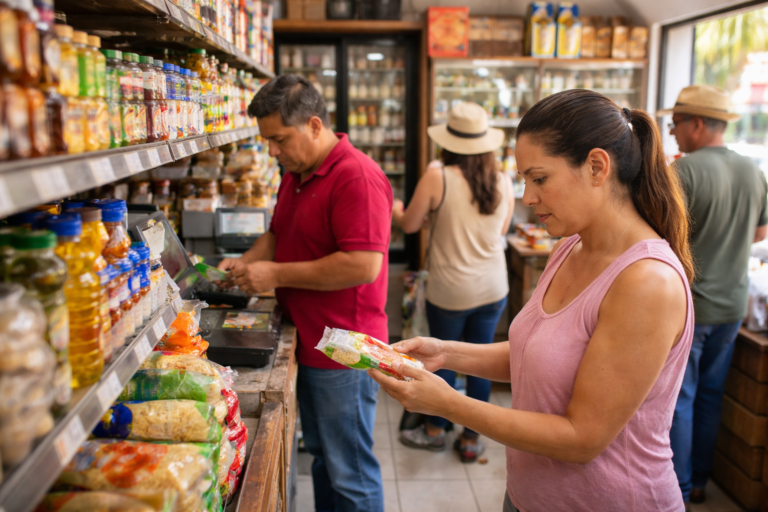
Because Baja California Sur relies heavily on goods transported from mainland Mexico, price shifts can be felt almost immediately. Fuel costs impact delivery trucks. Delivery trucks impact food prices. And food prices directly affect family budgets.
At the same time, business owners are adjusting payroll structures while also dealing with supplier price increases that tend to arrive at the start of every year.
The reality, as of today, appears mixed.
For workers earning minimum wage, the adjustment is meaningful — especially for those covering essential expenses like rent, food, and utilities. For small businesses and independent professionals, however, rising operating costs are becoming part of the same conversation.
Another layer of complexity comes from the informal economy. Nearly four out of ten workers in Baja California Sur operate outside the formal employment system, meaning minimum wage adjustments don’t always translate into higher or more stable income for everyone.
So is the increase good or bad?
For many families, it’s both.
It’s a needed step forward in income. But in a state where fuel, transportation, and imported goods drive daily costs, the long-term impact remains something residents are actively watching — and discussing — in real time.
One thing is clear: as of February 24, the wage increase isn’t just policy anymore. It’s a topic at kitchen tables, in small businesses, and across local social media feeds throughout Baja California Sur.
Frequently Asked Questions About the Minimum Wage Increase
When did the minimum wage increase begin in Baja California Sur?
The new minimum wage officially began on January 15, 2026. Workers in the General Minimum Wage Zone, which includes Baja California Sur, now earn 315.04 pesos per day.
How much did the minimum wage increase in Baja California Sur?
The daily wage increased from 278.80 pesos to 315.04 pesos, representing a significant adjustment for minimum-wage earners in the state.
Are residents in Baja California Sur feeling the impact?
As of February 23, reactions are mixed. Some workers say the increase helps with essential expenses, while others say rising fuel and food prices are offsetting the benefit.
Why are people debating the wage increase on social media?
Many residents are discussing the increase in local Facebook groups because Baja California Sur has high transportation and fuel costs, which influence grocery and retail prices.
Does the minimum wage increase affect informal workers?
Not always. Nearly 40 percent of workers in Baja California Sur operate in the informal sector, meaning national wage adjustments may not directly increase their income.